
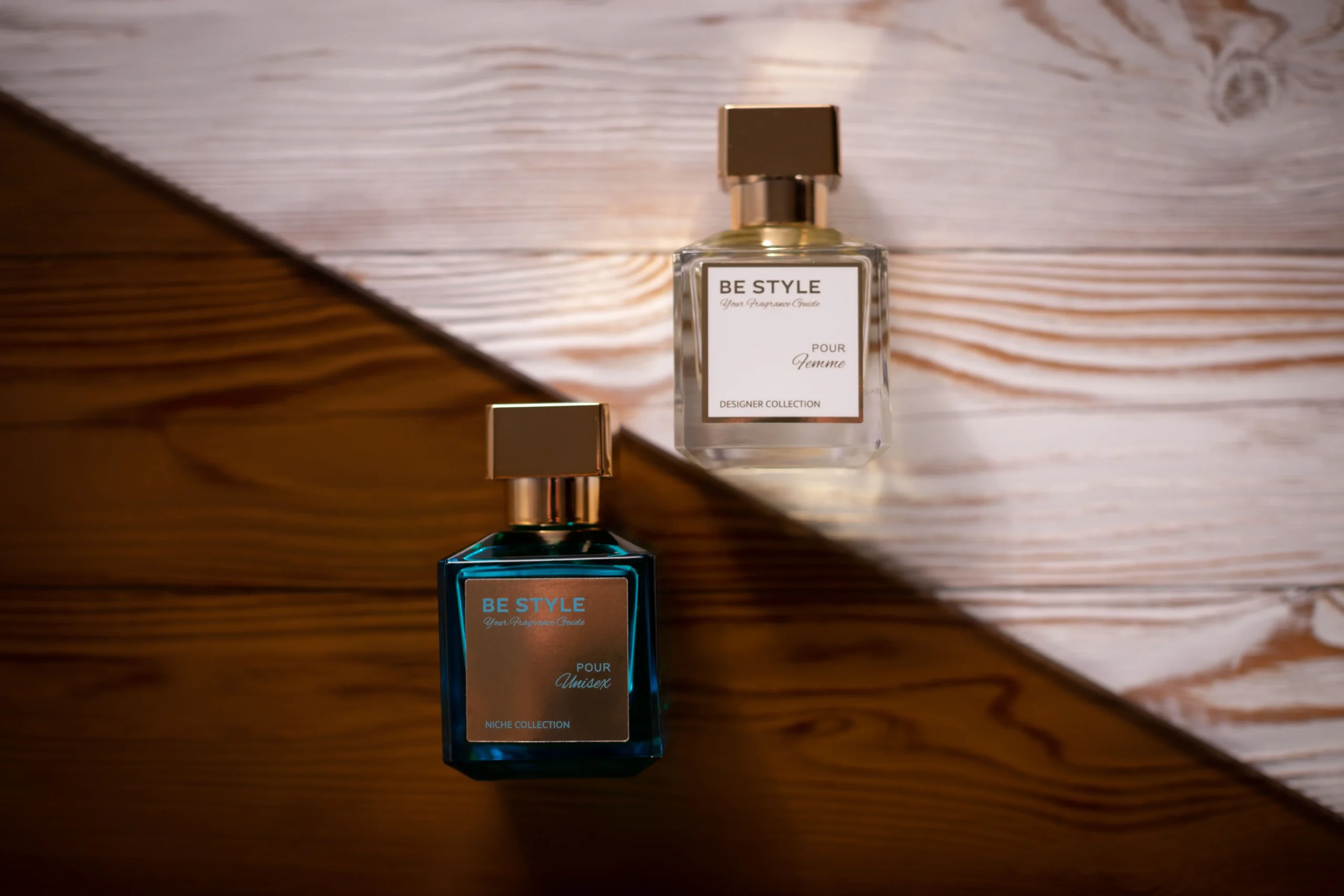
You found a perfume you love, but the shop sells two versions with the same name: an eau de parfum and an eau de toilette. One is more expensive, but is it really better? The eau de parfum vs eau de toilette question confuses a lot of people, and choosing the wrong one can mean a scent that disappears before lunch or one that feels too heavy for your day.
In this guide we explain the five essential differences, when to choose each type, and how to make any fragrance last longer.
The short answer
An eau de parfum (EDP) contains more fragrance oil than an eau de toilette (EDT). As a result, an EDP usually lasts longer, smells richer and costs more. An EDT is lighter, fresher and often a better choice for daytime, warm weather and the office.
Fragrance concentrations explained
Every perfume is a mix of fragrance oils, alcohol and a little water. The percentage of fragrance oil, called the concentration, decides how strong the perfume is and how long it lasts. The table below shows the most common types. The exact numbers differ per brand, so see them as a guideline.
| Type | Fragrance oil | Typical longevity |
|---|---|---|
| Parfum / Extrait de parfum | about 20–40% | 8 hours or more |
| Eau de parfum (EDP) | about 15–20% | 6–8 hours |
| Eau de toilette (EDT) | about 5–15% | 3–5 hours |
| Eau de cologne (EDC) | about 2–4% | around 2 hours |
| Eau fraîche / body mist | about 1–3% | 1–2 hours |
Want to read more about the history of these categories? The perfume page on Wikipedia gives a good overview.
Eau de parfum vs eau de toilette: 5 essential differences
1. Concentration
This is the main difference. An eau de parfum contains roughly 15 to 20 percent fragrance oil, while an eau de toilette usually contains between 5 and 15 percent. More oil means a more intense scent on your skin.
2. Longevity
Because of the higher concentration, an EDP usually stays on your skin for six to eight hours. An EDT often fades after three to five hours, so you may need to reapply it during the day. Keep in mind that longevity also depends on your skin type, the weather and the ingredients: fresh citrus notes naturally fade faster than woody or vanilla notes.
3. Projection and sillage

Projection is how far a perfume radiates from your body, and sillage is the scent trail you leave behind when you walk through a room. An EDP usually has a stronger projection and sillage. An EDT stays closer to the skin, which makes it more suitable for small offices, classrooms and public transport.
4. The scent itself can be different
Many people think an EDT is simply a weaker version of the EDP, but that is not always true. Perfumers often adjust the formula for each version. The EDT of a perfume can feel brighter and fresher, while the EDP of the same line can be warmer and sweeter. That is why you should always test both versions on your skin instead of assuming they smell the same.
5. Price
An eau de parfum is usually more expensive per bottle, because it contains more fragrance oil. However, you often need fewer sprays and fewer reapplications, so the price per wear can be closer than you think. An EDT is a great option if you want to try a new fragrance without spending too much.
When to choose eau de parfum
An eau de parfum is the better choice when:
- You want a scent that lasts from morning until evening.
- You wear perfume in the evening, on dates or at special events.
- It is autumn or winter, when warm and rich scents feel comfortable.
- Your skin is dry, which often makes fragrances fade faster.
When to choose eau de toilette
An eau de toilette is the better choice when:
- You prefer a light scent for work, university or the gym.
- It is spring or summer, when heavy scents can feel overwhelming.
- You like to reapply or switch between perfumes during the day.
- You want to try a new fragrance at a lower price.
Eau de parfum vs eau de toilette: which one is right for you?
There is no better or worse option, only the one that fits your routine. If you want one perfume for every day and you don’t want to think about reapplying, an eau de parfum is usually the safest choice. If you prefer something fresh and subtle, or you live in a warm climate, an eau de toilette will feel more comfortable.
Looking for a perfume you want to wear every single day? Then the concentration becomes even more important. Read our guide on how to find your signature scent to discover a fragrance that truly suits you.
How to make any perfume last longer
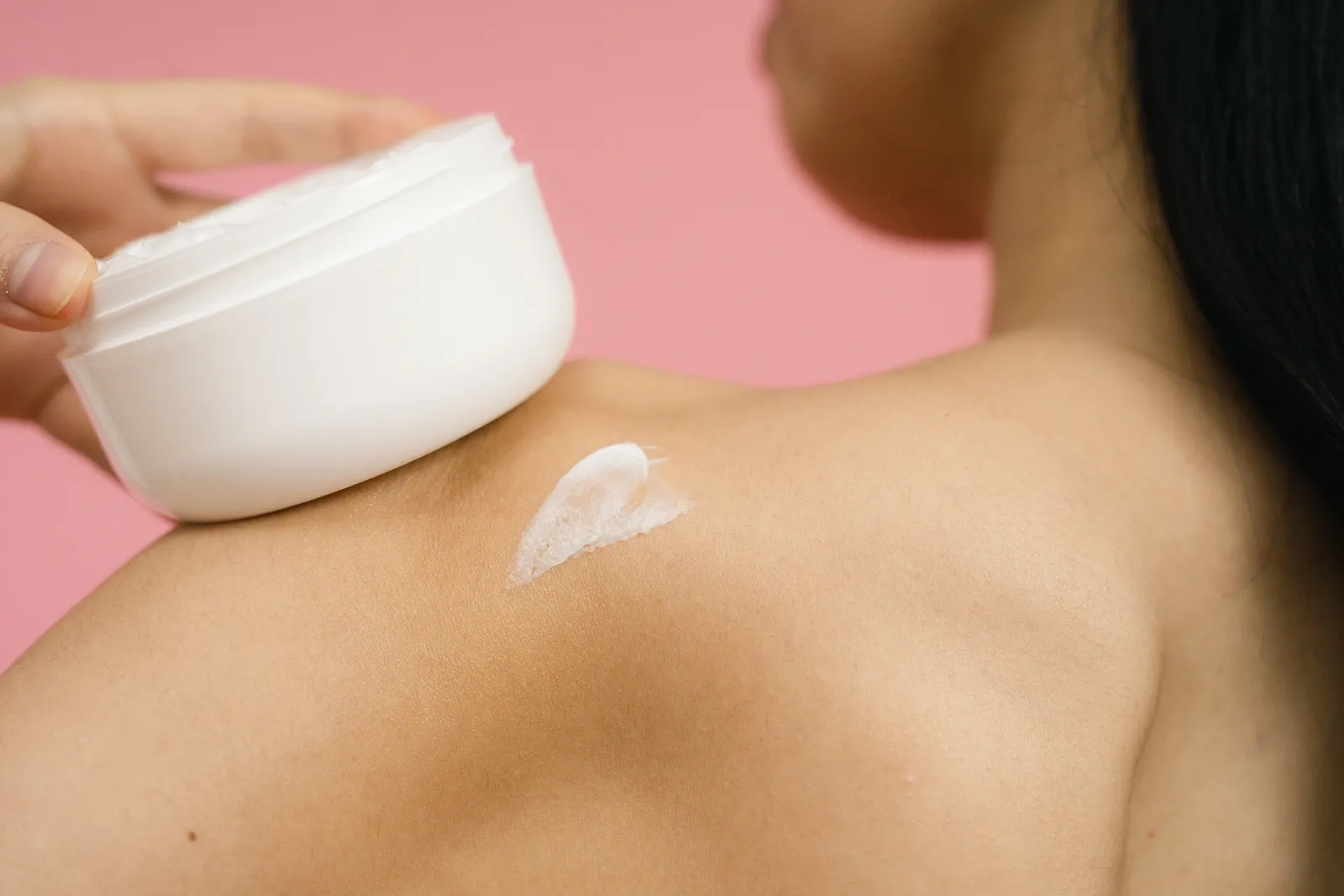
- Apply perfume to moisturised skin. An unscented lotion helps the fragrance hold on longer.
- Spray on pulse points such as the wrists, neck and behind the ears.
- Don’t rub your wrists together. This breaks down the top notes faster.
- Store your bottles in a cool, dark place, not in a warm and humid bathroom.
- Spray a little on your clothes or scarf. Fabric often holds scent longer than skin, but avoid silk and light-coloured fabrics, which can stain.
Frequently asked questions
Is eau de parfum stronger than eau de toilette?
Yes. An eau de parfum has a higher concentration of fragrance oil, so it usually smells more intense and lasts longer than an eau de toilette.
EDP vs EDT: which lasts longer?
In most cases an EDP lasts longer, around six to eight hours, compared with three to five hours for an EDT. Your skin and the ingredients of the perfume also play a role.
Can I wear eau de parfum during the day?
Of course. Just use fewer sprays, especially in the office or in warm weather. One or two sprays of an EDP are often enough for the whole day.
Conclusion
The difference between eau de parfum and eau de toilette comes down to concentration. An EDP is richer, lasts longer and costs more, while an EDT is lighter, fresher and more affordable. Think about when and where you will wear your perfume, test both versions on your skin, and choose the one that fits your day. Whichever you pick, the best perfume is the one that makes you feel good.