
Knowing how to choose a perfume saves you money and a drawer full of bottles you never wear. You walk into a shop, spray three testers on paper strips, and after five minutes everything smells the same. Sound familiar? With thousands of bottles that all promise to be “the one”, it’s easy to buy on impulse and regret it a week later.
The good news: you don’t need to be an expert. These six steps take you from the smells you already like to a scent you have tested properly, so your next bottle is one you actually reach for.
Table of Contents
How to choose a perfume: the short answer
If you want to know how to choose a perfume quickly, start with a scent family you already enjoy, pick a strength that fits when you will wear it, and set a budget. Then test your favourite on your own skin for a full day, and buy a sample or travel spray before you commit to a full bottle.
Step 1: Start with the smells you already like

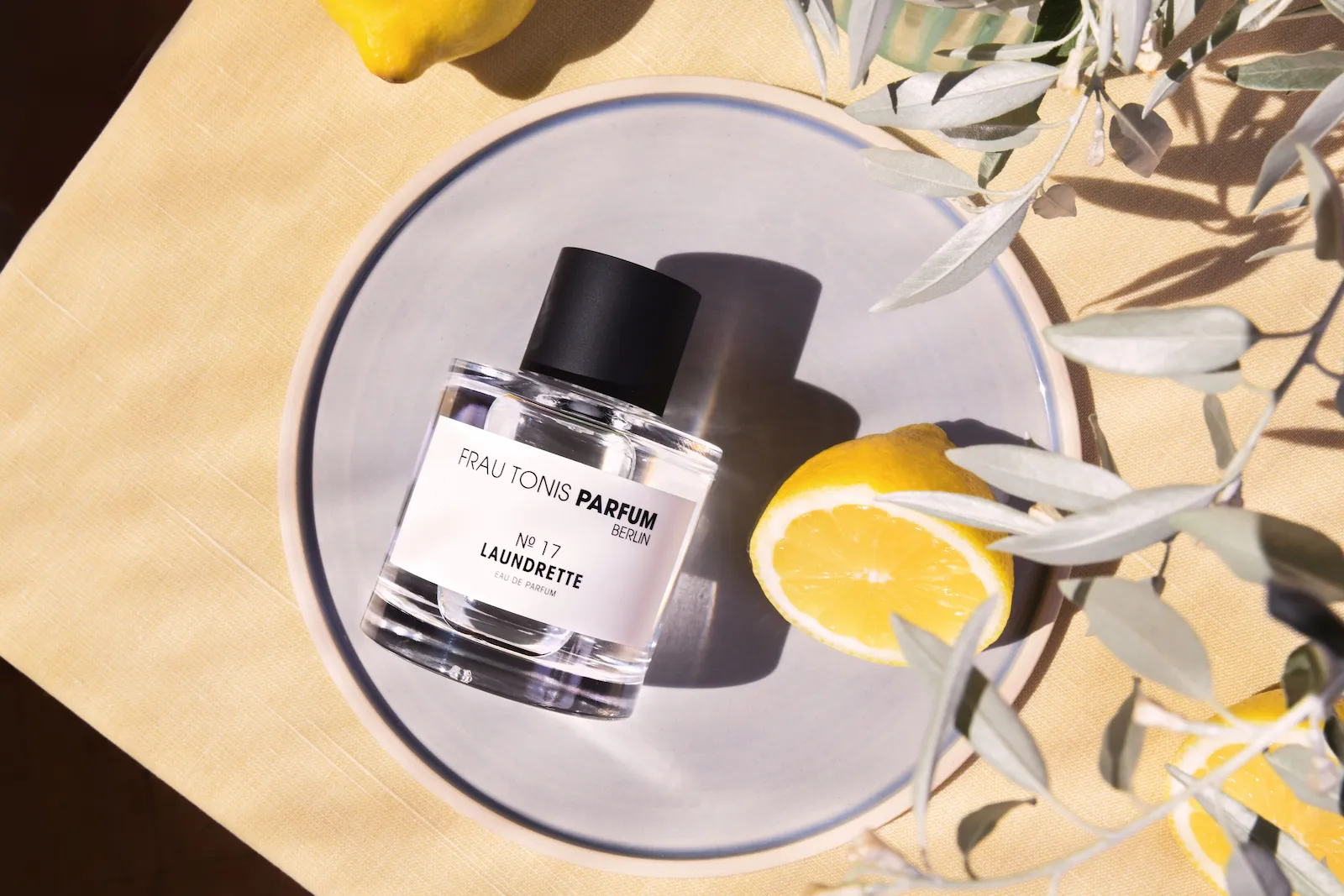
Learning how to choose a perfume starts with your own nose, and you already know more about your taste than you think. Do you love the smell of fresh laundry or lemons? Do vanilla candles make you happy? Most perfumes belong to a few big scent families, and the smells you enjoy in daily life point you to the right one.
| Scent family | Smells like | Works well for |
|---|---|---|
| Fresh & citrus | Lemon, bergamot, freshly cut grass | Daytime, warm weather, study and work |
| Aquatic | Sea air, clean laundry, cucumber | Summer, sports, everyday wear |
| Warm & spicy | Cinnamon, cardamom, pepper | Autumn, evenings |
| Gourmand | Vanilla, caramel, coffee | Cold days, dates |
| Oriental & smoky | Incense, amber, resin | Evenings, special occasions |
| Dark & woody | Cedar, sandalwood, vetiver | All year, office, evenings |
Pick one or two families as your starting point and ignore the rest for now. Not sure where you fit? Our fragrance quiz asks about your style and daily routine and gives you a shortlist of families to explore.
Step 2: Decide when and where you will wear it
A perfume that feels perfect on a night out can be too much in a lecture hall at 9 a.m. Think about the moments you want to smell good:
- Every day, study or work: a light fresh or aquatic scent that stays close to you.
- Going out: something warmer and more noticeable, such as spicy or oriental.
- Dates: a soft gourmand or woody scent that people notice when they come closer.
The season matters too. Heat makes perfume evaporate and project faster, so fresh and citrus scents feel best on warm summer days. On a cold, rainy Dutch evening, warm, spicy and woody scents feel cosy rather than heavy. Many people end up with two perfumes: one for daytime and one for special moments.
Step 3: Choose the right strength
The same perfume often comes in different versions, and the name on the bottle tells you how much fragrance oil it contains. More oil usually means a richer scent that lasts longer, and a higher price.
| Concentration | Fragrance oil (approx.) | What to expect |
|---|---|---|
| Parfum / Extrait | 15–30% | The richest and usually the most expensive |
| Eau de parfum (EDP) | 15–20% | Fuller and longer-lasting |
| Eau de toilette (EDT) | 5–15% | Lighter and fresher, often cheaper |
| Eau de cologne (EDC) | 2–3% | Very light, fades quickly |
Ranges from the Wikipedia article on perfume.
Strength isn’t everything, though. A citrus-heavy eau de parfum can still fade faster than a woody eau de toilette, because light citrus notes evaporate quickly. For a full comparison, read our guide on eau de parfum vs eau de toilette.
Step 4: Set a budget and think in price per ml
Budget is a big part of how to choose a perfume. Great perfumes don’t have to be expensive, and the price on the shelf tells you less than you think. Compare the price per ml instead.
Example: say a 30 ml bottle costs €35 and the 100 ml version of the same perfume costs €75. The small bottle costs about €1.17 per ml and the large one €0.75 per ml. The big bottle is cheaper per spray, but only if you finish it. For a first purchase, the 30 ml is often the smarter choice: you spend €40 less and find out whether you still love the scent after a month.
Prices for popular perfumes change often, so compare a few shops before you buy. Looking for something affordable to start with? See our list of fresh summer fragrances under €50.
Step 5: Test it the right way
Most bad perfume purchases happen at the testing stage. Follow these steps:
- Test a maximum of three perfumes per visit. Your nose gets used to smells quickly, a normal effect called olfactory fatigue. After a few testers, everything starts to smell the same.
- Use paper strips to make a shortlist. They show you the opening of a scent without filling your arms with five perfumes.
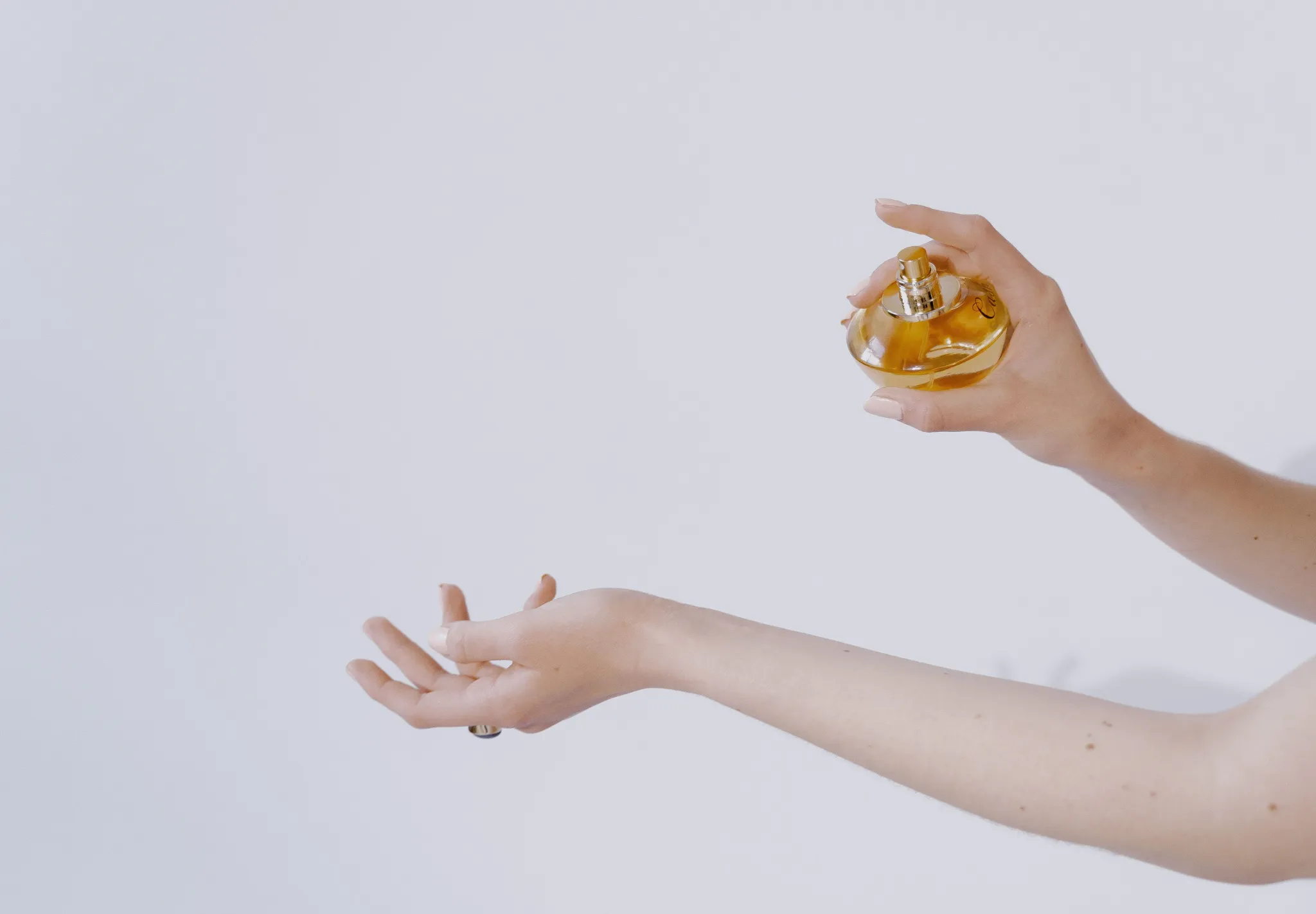
- Spray your favourite on your skin. Use your wrist or the inside of your elbow, and don’t rub it in.
- Walk around for at least 30 minutes. The base notes, which form the part of a scent that stays with you, often only appear after about half an hour.
- Smell it again after four to six hours. This shows how long the perfume lasts on your skin. Want a scent that stays all day? Read how to choose a long-lasting perfume.
Step 6: Try a sample before the full bottle
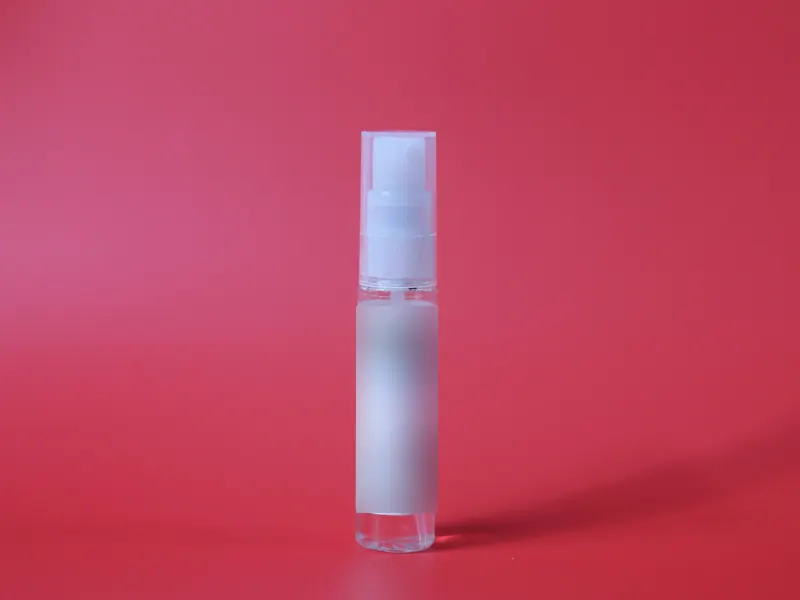
Living with a scent for a week tells you more than one test in a shop. Ask for a sample at the perfume counter, buy a small travel spray, or try a discovery set with several mini bottles of one brand. Wear it on a normal day, a busy day and a night out. If you still reach for it after a week, you have found a perfume worth buying.
Common mistakes when choosing a perfume
- Judging in the first minute. The top notes you smell first disappear quickly. Give every perfume time.
- Buying because of hype. A scent that everyone loves online may not suit your skin or your daily life.
- Testing too many at once. After three, your nose can’t tell the difference anymore.
- Choosing for the wrong season. A heavy vanilla scent can feel suffocating in July.
- Buying the biggest bottle first. Start small until you are sure.
Frequently asked questions
How do I choose a perfume without smelling it?
Look up the perfume’s notes on a database like Fragrantica and compare them with smells you already like. Check which scent family it belongs to, and buy a sample before a full bottle. Our fragrance quiz can also point you to the right family.
How many perfumes can I test at once?
Test a maximum of three perfumes per visit. After that, your nose gets tired and the scents start to blend together.
Should my first perfume be an eau de parfum or an eau de toilette?
Choose an eau de toilette if you want something light and affordable for every day. Choose an eau de parfum if you want a scent that lasts longer and feels fuller.
Conclusion
Now you know how to choose a perfume: start from smells you already like, match the strength and scent family to your day, and give a perfume a full day on your skin before you pay for a full bottle. Take it slow, test a few samples, and trust your own nose. Want a head start? Take the VYTA fragrance quiz and get a shortlist that matches your style.